Pages

Notes on Use of This Blog


1. I have a policy that I always reply to comments on my blog, even if it's just to say thank you.

2. Please don't submit comments that include your own web address. For obvious reasons, they will not be published.

3. I'm now on Twitter - @RichardPegler1
Showing posts with label Whitethroat. Show all posts

Thursday, 6 July 2023

Anglian Adventures, Day 2 - 15th June, 2023

My previous blog post, (which you can find here: - https://peglerbirding.blogspot.com/2023/06/anglian-adventures-day-1-14th-june-2023.html) stated that the previous evening I had set my alarm for 05.00 so that I could return to Strumpshaw Fen for a pre-breakfast visit in the hope of photographing a Barn Owl. I now find, looking at my notes, that this was not that day! All will be revealed at a later date.

Thursday, 15th June                    Hickling Broad ; Trimingham ; Wheatfen ; Strumpshaw Fen

Having had a relatively long day the previous day, I had set the alarm for 06.45. A quick trip to the M&S Foodstore to get some cold milk to have with the cereal and dried fruit that I'd brought with me for breakfast, and some items for a picnic lunch set me up for the day.

I had been told that Norfolk Wildlife Trust's Hickling Broad was a great place for Swallowtail butterfly and, as I'd never been there before, that is where I went, arriving at about 08.15. The Visitor Centre was not open, but some of the staff (volunteers?) were on site, and gave me some pointers as to where I might go to find things. I was also told that the Swallowtails were late this year and a bit thin on the ground.

I set off down the track that I was told led to the Raptor Roost. To check the settings of my camera, I took quick shot of a Goldfinch.

Goldfinch (Carduelis carduelis) - Hickling Broad
I was soon passing by some promising-looking wetland habitat on my right.

Wetland - NWT Hickling Broad
I was on one of the viewing platforms and starting to spot a few interesting birds. There were two  Great White Egret in the distance, one of which was a male in breeding condition with a dark bill.

Great White Egret (Ardea alba) - Hickling Broad

I'd just photographed the egrets when a couple came from the opposite direction and asked if I'd spotted the Black-winged Stilts that were in the distance. I hadn't and, as I have only ever once seen this species, and that was in Morrocco, I was somewhat excited! I did manage some distant record shots.


Black-winged Stilt (Himantopus himantopus) - Hickling Broad
The viewing platform had a notice which stated that only two people should be on it at any one time and, as this couple had so kindly shown me the stilts and they were both eager to get more views, I vacated the platform and headed further down the trail, taking a few photos as I went.

Reed Warbler (Acrocephalus scirpaceus) - Hickling Broad
Red-eyed Damselfly (Erythromma najas) (female) - Hickling Broad

I thought that I reached the end of the trail, with no Raptor Viewpoint having been seen, so turned back. I subsequently found that I should have turned left at the end and continued a while.

More birds were spotted on the way back to my starting point, although the stilts were no longer there.

Little Egret (Egretta garzetta) - Hickling Broad
Whitethroat (Sylvia communis) - Hickling Broad

The Visitor Centre was still not open by the time I returned, so I headed into a different area of the reserve without the benefit of a site-map in my hand. I took the trail that passes Cadbury Hide, finding the occasional dragonfly along the way.

Four-spotted Chaser (Libellula quadrimaculata) (female) - Hickling Broad
Black-tailed Skimmer (Orthetrum cancellatum) (male) - Hickling Broad

Black-tailed Skimmer (Orthetrum cancellatum) (female) - Hickling Broad
As I approached the junction where the short trail to Secker's Hide departs to the left, I spotted a dragonfly whose behaviour led me to believe that it was looking for somewhere to settle. It must have been ten or fifteen minutes before it did so, but the wait was worthwhile. It was an immature male Hairy Dragonfly.

Hairy Dragonfly (Brachytron pratense) (immature Male) - Hickling Broad
I then went along into Secker's Hide, where I found a few people watching a Swallowtail on Thistles. Before I could train my camera on it, it flew to a rather more distant thistle. I attempted a few shots here which really came to nothing, but also took some video, which is a little better.

In spite of being told that it would soon be back in front of the hide, it had still not returned after about half an hour. However, the people that had alerted me to the stilts earlier were in Secker's Hide, and informed me that they'd seen Bee-eaters at Trimingham, and I made my mind up to see if I could find them.

Having left the hide, I found a few more dragonflies, including my first Ruddy Darter of the year, and a Black-tailed Skimmer against a dark background, before I took a long circuitous walk along the woodland trail, which is described informal seasonal path, back to the Visitor Centre.

Ruddy Darter (Sympetrum sanguineum) (female) - Hickiling Broad
Black-tailed Skimmer (Orthetrum cancellatum) (female) - Hickling Broad
Back at the Visitor Centre, I paid my dues, returned to my car, and set off for Trimingham, arriving at about noon. In need of some refreshment, I had a quick picnic lunch before heading over to the designated viewpoint. 

I had only seen Bee-eaters in UK six years ago, when there were several of them at a site quite close to my home, so this was a really exciting opportunity for me. This Trimingham site was first seen to be used by Bee-eaters last year, and two chicks were raised. This year, was the first ever time this species has been recorded returning a site in UK. On arrival, I saw two of the birds up on wires at quite a distance. They didn't come any closer, so I only got record shots.


Bee-eater (Merops apiaster) - Trimingham

The nest site, which was in an old quarry, was visible from a position only a few metres from where I'd been viewing the birds on the wires. This location was, however, even further away. This is what the site looked like in a photo with my lens at its full 400mm stretch - there is a bird in the centre of the frame!

Trimingham Quarry
So here's the bird via a very heavy crop of the image.

Bee-eater (Merops apiaster) - Trimingham
Sadly, I have recently learned that the nest has failed, with Stoats being seen nearby and suspected of having predated the nestlings. However, that report also stated that the birds were being seen performing courtship behaviour again and it was hoped that they'd try for a second brood.

On my previous visit to Norfolk I'd been told of a highly recommended nature reserve - Wheatfen, managed by the Ted Ellis Trust. Wheatfen is literally directly over the River Yare from Strumpshaw Fen, so 70 metres as the crow flies, but 13 miles (21 km) by road! I set off for there, arriving at around 13.40.

Having parked my car and had a quick chat with the person manning the information centre there, I headed into the reserve. I soon found a bunch of flowers that had been put there, presumably to attract Swallowtail butterflies, but a Brimstone was making use of them.

Brimstone (Gonepteryx rhamni) (male) - Wheatfen
A bit further on, a heron was in a field beside the reserve.

Grey Heron (Ardea cinerea) - Wheatfen
A bright blue-green, but quite small, beetle caught my eye. I hope that I've got the ID correct!

beetle (Phyllobius pomaceus) - Wheatfen
I was on site for all but an hour before I saw my first dragonfly! But, as I got nearer to the River Yare, things took a major turn for the better. It seems that Wheatfen is a real hot-spot for Scarce Chaser.

The first image, below, shows a reasonably fresh male on which you can just detect the faint smokey patches on the wing-tips as exhibited by some males. The second image shows a mature male with the wear on the middle abdomen segments bearing witness to a good number of mating encounters.


Scarce Chaser (Libellula fulva) (male) - Wheatfen
A distant Red-eyed Damselfly was on a lily-pad.
 
Red-eyed Damselfly (Erythromma najas) (male) - Wheatfen

I'd passed alongside the river and was now heading inward again and shortly reached a point where a track went off to the right to link up with the path that I'd originally come down. I turned onto this track, spotting a couple of people standing on the track further down. I stopped long before I got to them as I'd seen a patrolling Norfolk Hawker, and spent some time trying to get flight photos. I nearly managed one, as you can see in this next shot!
 
Norfolk Hawker (Aeshna isoceles) (male) - Wheatfen

By now, my arms were aching and so I continued to where those two people were. They kindly informed me that, when I first hove into view, they'd been watching a Swallowtail on the bunch of flowers attached to a post just a few metres from them. It had now gone.
 
Norfolk Hawkers were interacting with Scarce Chasers along this stretch, and both were settling from time to time, so I was kept entertained for a while. There  were a couple of Banded Demoiselle too. The first of the Norfolk hawkers, below, seems to have a long string of poo dangling from its rear!


Norfolk Hawker (Aeshna isoceles) (male) - Wheatfen
Banded Demoiselle (Calopteryx splendens) (male) - Wheatfen

Banded Demoiselle (Calopteryx splendens) (female) - Wheatfen


Scarce Chaser (Libellula fulva) (male) - Wheatfen

I had not, before, noted how black was the frons of a male Scarce Chaser. I found myself quite surprised by this.

It was now time to be heading back to the car as I needed to think about something to eat that evening. On the way back, at one point, I was loudly warned-off by a pair of Mute Swans who had young cygnets.

Mute Swan (Cygnus olor) (cygnets) - Wheatfen

A little further on, I found a pair of Scarce Chaser, busy working on the next generation.

Scarce Chaser (Libellula fulva) (male+female in cop) - Wheatfen

I got back to my car and, while I was setting up the satnav to take me to 'the Scottish restaurant', I noticed a female Scarce Chaser, just in front of the car. She seemed to be in pristine condition and nicely placed - quite unusual for a female of this species!


Scarce Chaser (Libellula fulva) (female) - Wheatfen

You can clearly see the strong smokey marks on the wing-tips. Nearby was an equally obliging male of the species, without any discernable such marks.


Scarce Chaser (Libellula fulva) (male) - Wheatfen
After a quick light meal at 'the Scottish restaurant', as I was now only three miles from Strumpshaw Fen, I made an evening visit there. My main objective was to see if the Norfolk Hawkers were using the same place to roost that I'd observed the previous day.
 
As I left the car park to go into the reserve, I spotted a large beetle on the road. 
 
Lesser Stag Beetle (Dorcus parallelipipedus) - by Strumpshaw Fen

There was no sign of Norfolk Hawkers around the area where I'd seen them roosting the previous day, but I did get some shots of a handsome Banded Demoiselle.
 
Banded Demoiselle (Calopteryx splendens) (male) -Strumpshaw Fen
I started back to my car, wanting a relatively early night as I'd had a rather tiring day. My gizmo tells me that I walked over 9 miles (14km) that day - much more than I'm used to!
 
As I headed back along the trail, a deer jumped out of the vegetation beside me and headed off through the reeds. I was quite startled, and only managed shots of a disappearing backside. However, when I got to the junction where a trail went off to access the Meadow Trail, the deer was coming out of the reeds onto the path. My original thought that it was a Muntjac - in fact I thought that Muntjac and Chinese Water Deer were one and the same thing, but I now know that this is not the case and this was a Chinese Water Deer - just look at those tusks!
 
Chinese Water Deer (Hydropotes inermis) - Strumpshaw Fen

Although, obviously, not native, it seems that they are considered to be beneficial to the environment on the reserve.
 
I then headed back to the Travelodge, and setting my alarm for 05.00 - or so I thought! - turned in early for a much-needed shut-eye session. Thus ended an absolutely fascinating day.


This has been a rather long post, so thank you for getting this far! My next post, featuring Day 3, should be a little shorter and, hopefully, available in about a week's time.

In the meantime, please take good care of yourselves and Nature.

With my best wishes - - - Richard


Wednesday, 24 May 2023

Breaking New Ground & Other Observations - 2nd to 7th May, 2023

The following is an account of some highlights from the first part of the month of May.

Tuesday, 2nd May                    Watermead Country Park

With a trio of Black-crowned Night Herons being reported from Watermead Park for a few days, and this being a place that I'd never visited, in spite of it only being half an hour from my home, I decided that I should give the place a visit.

The outing did not start well as, having got about 10 miles down the road, I realised that I'd left my wallet at home and had no means of paying for the car park there. I had to turn back and pick it up. The further complication was that, with the extra miles, I'd have to re-charge our car as I'd originally left home with just enough charge to get me there and back with not much extra in hand. I gave it just under an hour's worth of charge and set off again.

I arrived at Watermead Park to find that the recommended car park, unlike others at this place, was free of charge - grrrrrrr!!! 

The location for seeing the Night Herons was very close to the car park, and I found others already there, bemoaning the fact that the birds had not been seen that day. I stayed a while but, haveing been told of a Tawny Owl that was not far away, I went to check it out. It was very high up in a tree, and impossible to get a clear shot at. It's a long while since I last saw a Tawny Owl, and it will probably be a long while until I next see one, these were the best that I could manage.
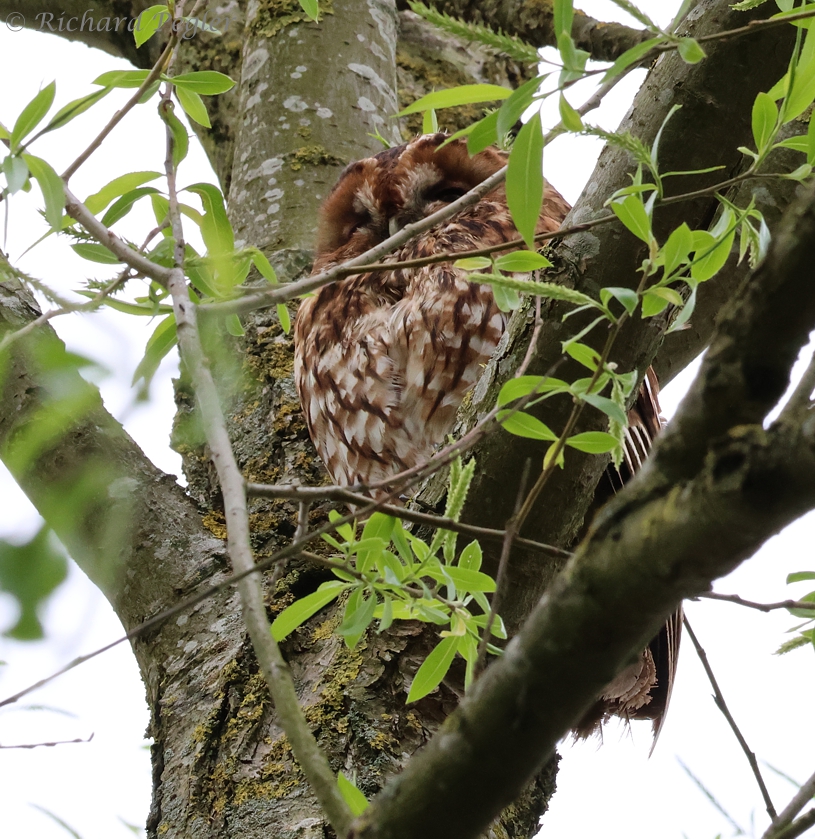
Tawny Owl (Strix aluco)  - Watermead CP
I had been chatting with other people whilst looking at the owl, and was encouraged to explore the area further, in spite of realising that I was going to be at least an hour later home than I said I'd be. I was fortunate in being able to accompany a keen birder who knew the area well.

The greatest find for me on that walk was a Whitethroat - not a rare bird but another species that I don't often see - I last photographed one in 2017! I got some shots of it on barbed wire, and then some distant shots of it in a more natural environment.
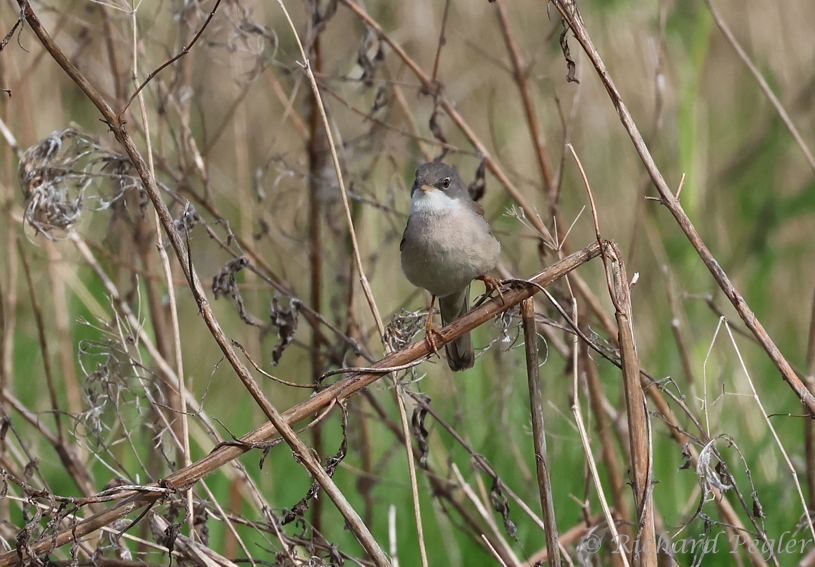


Whitethroat (Sylvia communis) - Watermead CP
Before departing, I had another look for the Night Herons, but to no avail. As I stood there, a Canada Goose came drifting by. It was now time to go home.
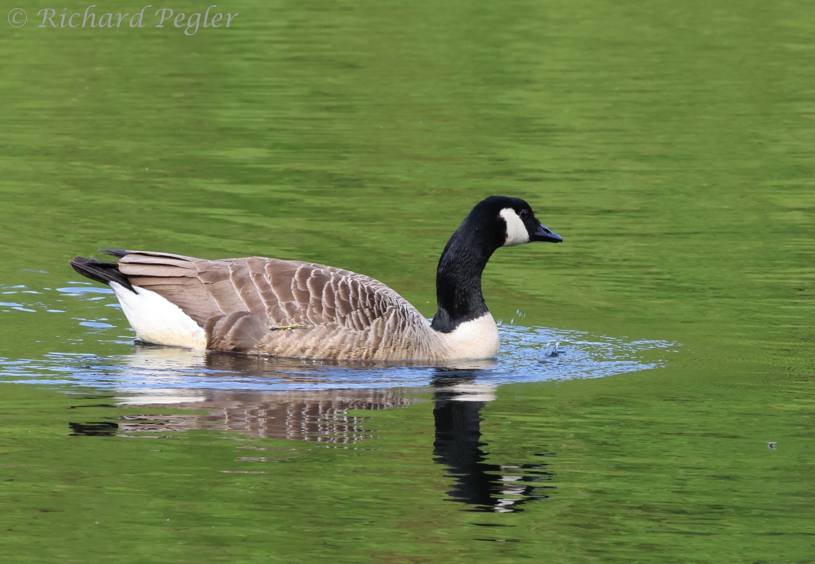
Canada Goose (Branta canadensis) - Watermead CP

Wednesday, 3rd May                    Garden

The Large Red Damselflies were still emerging from our mini-pond. I got some shots of this one before it departed. 
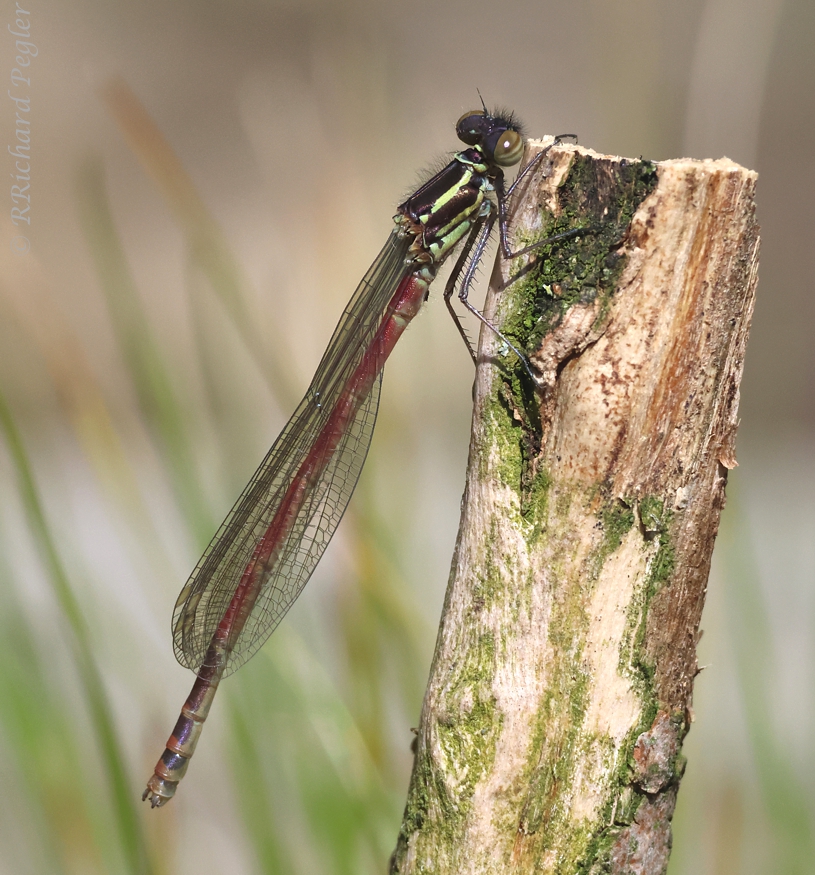
Large Red Damselfly (Pyrrhosoma nymphula) - garden on 3rd May, 2023

Whilst checking the pond, I found a pair of flies mating, and took some shots.

Fly (Sarcophaga sp.) in cop - garden on 3rd May, 2023
It then occurred to me that the scene might be better conveyed if I took some video.

If you would like, you can also see this in slo-mo, below.

I then photographed a Blackbird, singing in the top of our Elder. 
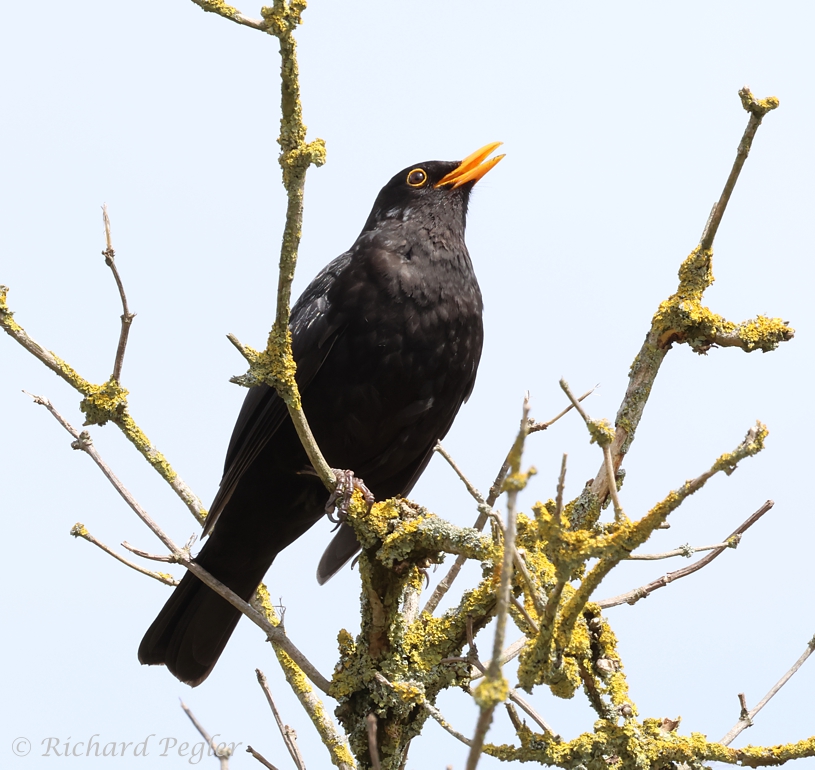
Blackbird (Turdus merula) (male) - garden on 35rd May, 2023
There's nothing like the song of a Blackbird to lift the spirits so, again, video seemed to be required.

This female Orange-tip seemed to be ovipositing, but I have only found one Orange-tip egg this year and failed to find the caterpillar after it hatched.
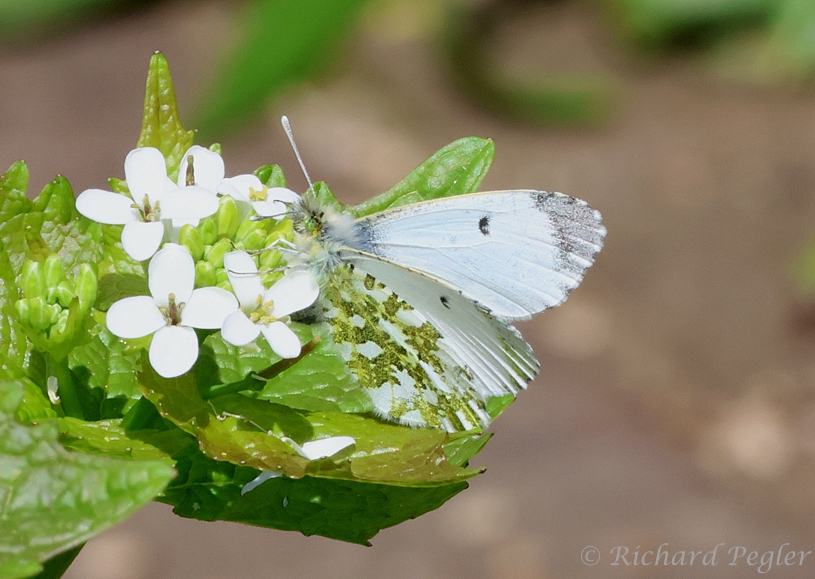
 
Orange-tip (Anthocharis cardamines) (female) - garden on 3rd May, 2023

The moth trap went out that night, and only one moth was caught. It was a rather fine one, however!
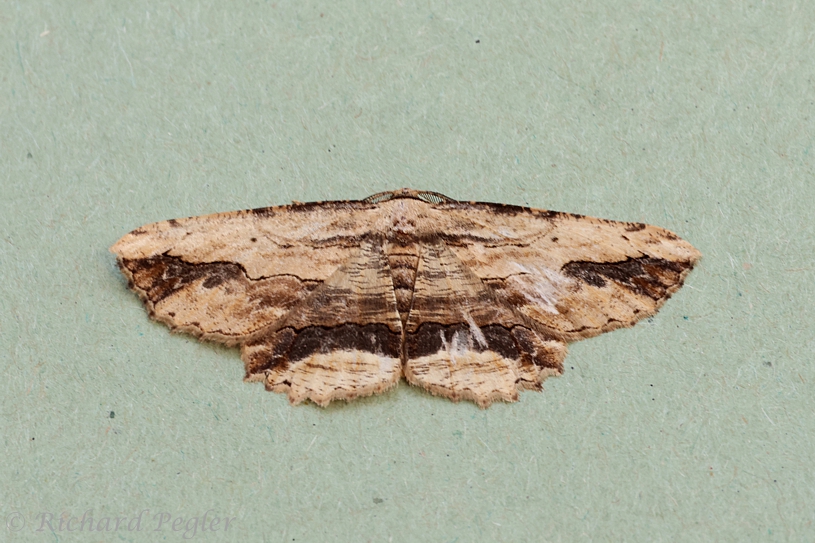
Waved Umber (Menophra abruptaria) (male) - from garden moth trap, 3rd May, 2023

Thursday, 4th May                    Garden

One of the Azaleas in our garden was blooming more beautifully than ever. 

Azalea - garden on 4th May, 2023
From the conservatory, I noticed a strange insect on the edge of the mini-pond. I grabbed the camera and went out to find this fearsome-looking creature.

Ichneumon stramentor (female) - garden on 4th May, 2023
Friday, 5th May                    Garden

Although Bullfinch visit the garden fairly frequently, they usually make straight for the feeders and then depart again. It has, therefore, been a bit difficult to photograph them. On this occasion I managed a shot of a female - not a good shot, but at least it's a shot of one not on a feeder!
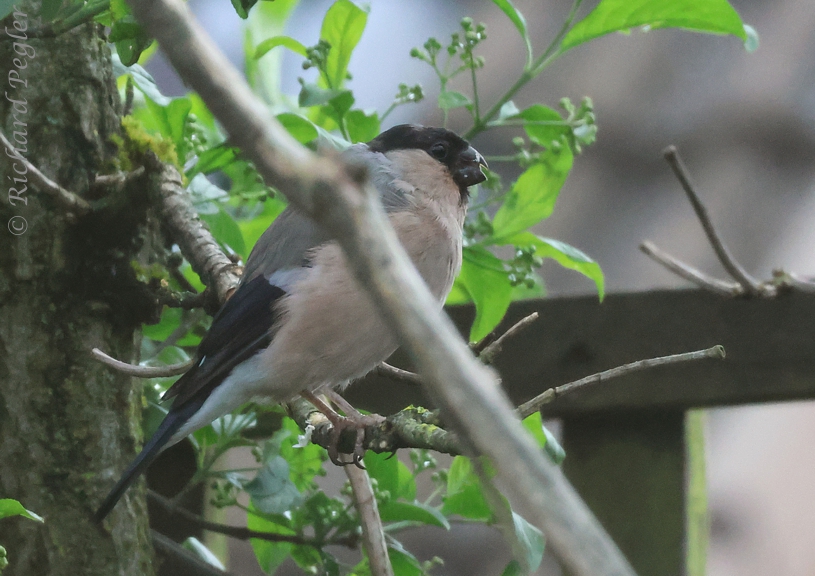
Bullfinch (Pyrrhula pyrrhula) (female) - garden on 5th May, 2023
Saturday, 6th May                    Garden

The damselfly emergences from our mini-pond were tailing off now, and the Robin was having to look elsewhere for food for his youngsters in the nest.
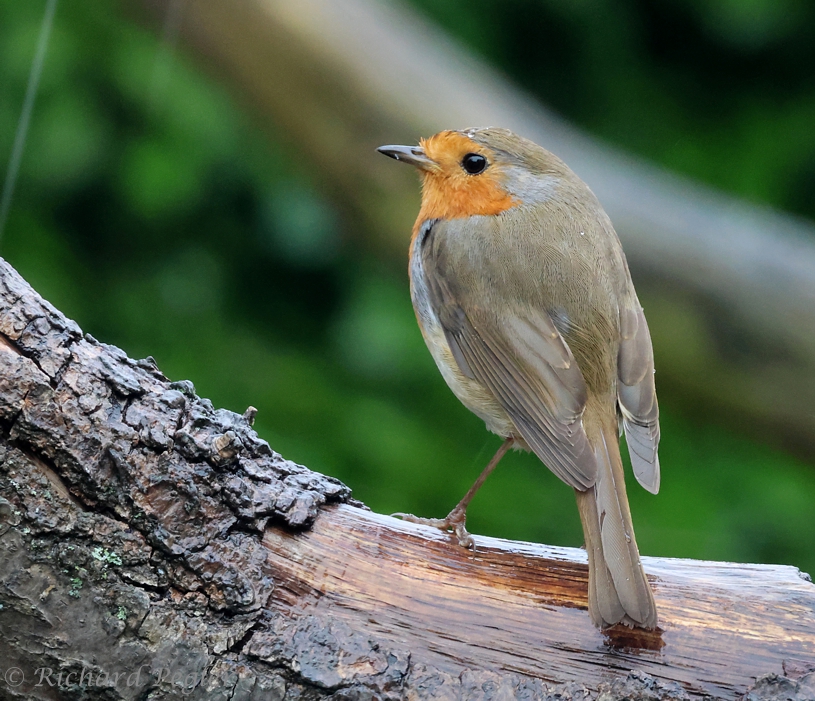
Robin (Erithacus rubecula) - garden on 6th May, 2023
Sunday, 7th May                    Garden ; Saltersford Valley Country Park ; Thortit Lake

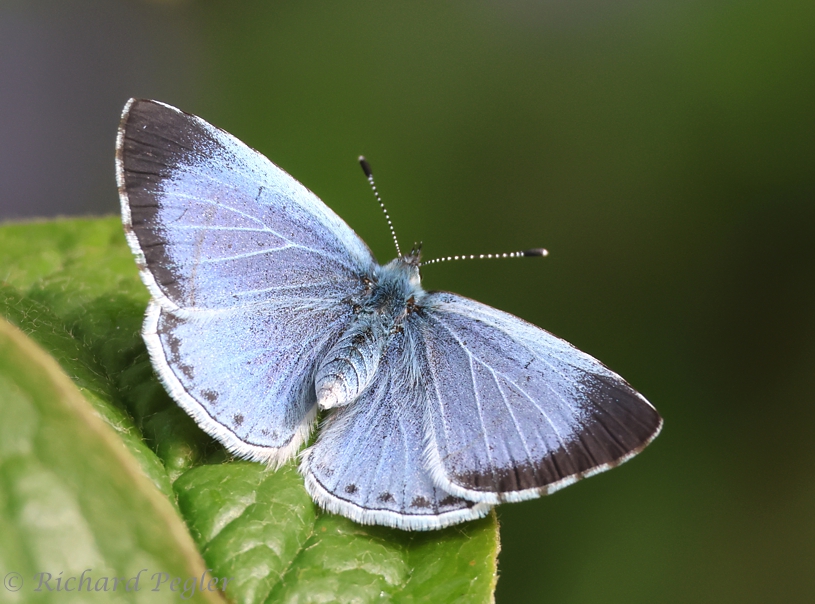
This year seems to have been a very good year for Holly Blue butterflies and lately I have been seeing them almost everywhere I go. A feature of the Holly blue is that it tends to rest with its wings closed, and it is often necessary to wait quite a long time for it to open its wings just enough to see whether it has dark tips to the upper side of the fore-wings - denoting it to be a female. I had never managed to photograph one with its wings wide open.
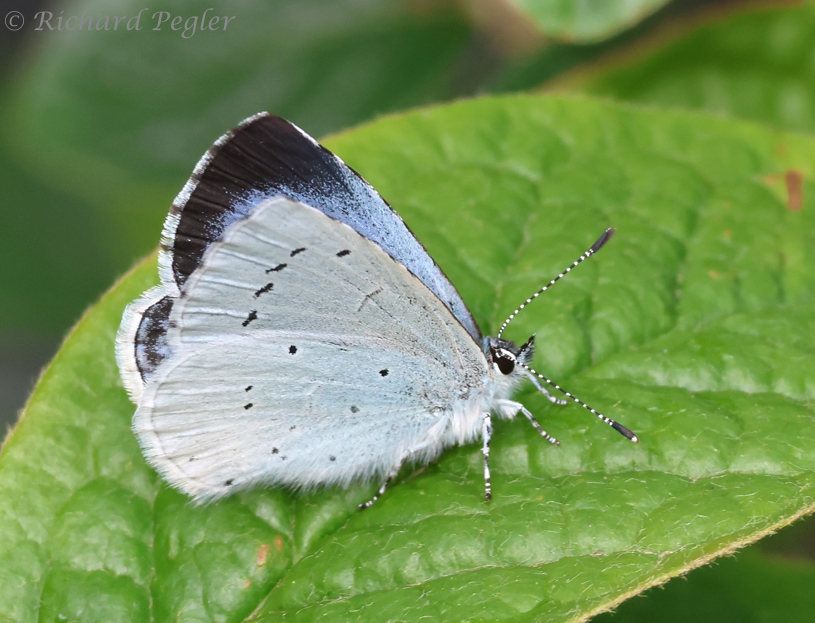
Holly Blue (Celastrina argiolus) (female) - garden on 7th May, 2023
 - - that was, until this day! What a little beauty !!!!
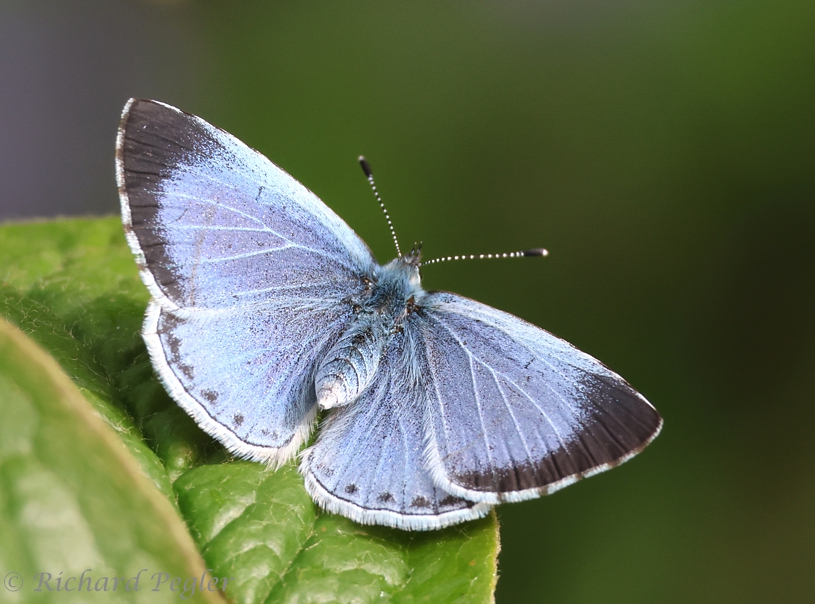
Holly Blue (Celastrina argiolus) (female) - garden on 7th May, 2023
That afternoon, I took a trip out to a couple of very local spots, in the hope of finding my first dragonflies. I failed in this respect, but there were other things to keep me entertained.
 
As I approached the boardwalk I was greeted by a bright stand of Marsh Marigold.
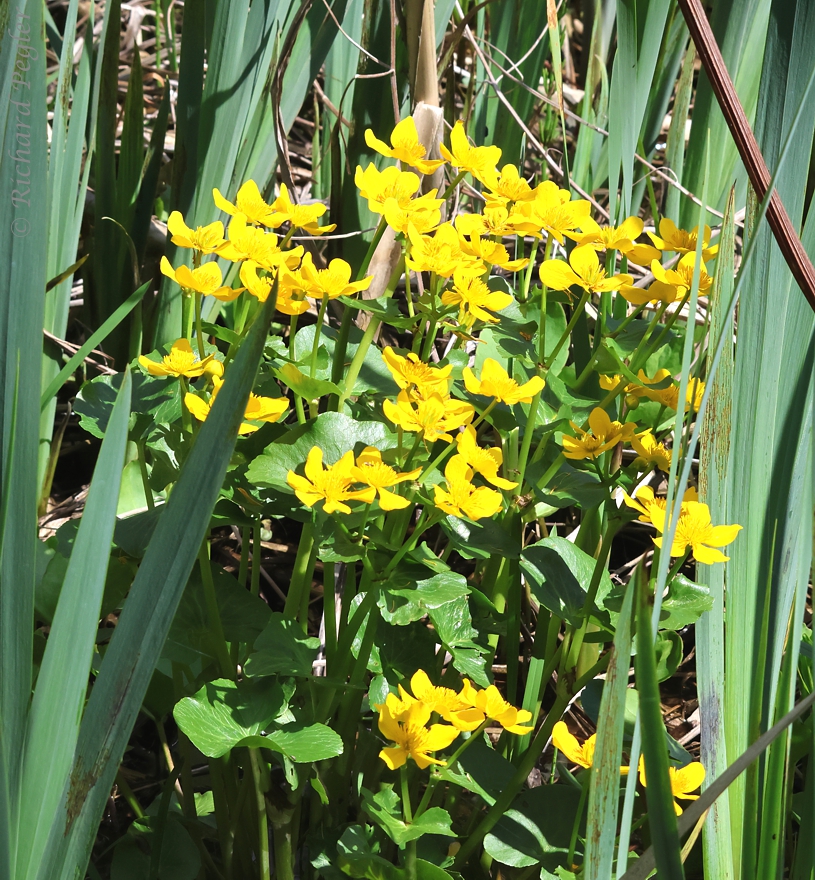
 
Marsh Marigold (Caltha palustris) - Saltersford Valley CP
From the far end of the boardwalk, I watched a male Reed Bunting, although it was not very cooperative from a photographic point of view.
 
Reed Bunting (Emberiza schoeniclus) (male) - Saltersford Valley CP

Here are some of the other items that appeared in front of my lens during my wanderings.
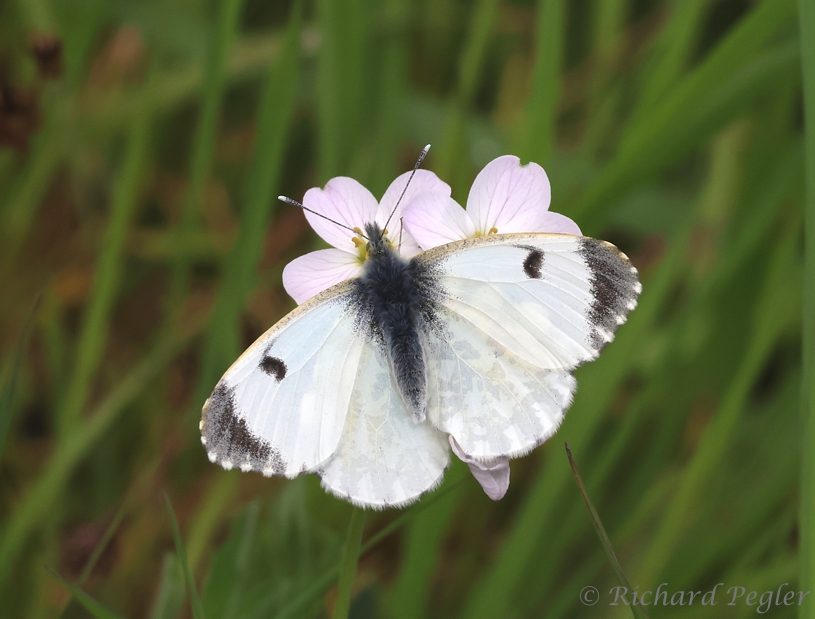
 
Orange-tip (Anthocharis cardamines) (female) - Saltersford Valley CP on 7th May, 2023

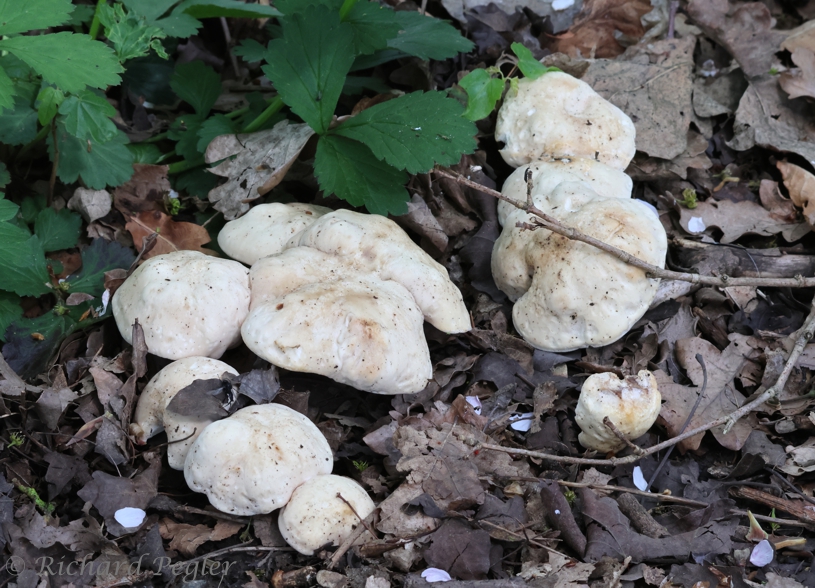
St. George's Mushroom (Calocybe gambosa) - Saltersford Valley CP
Alder Leaf Beetle (Agelastica alni) - Saltersford Valley CP

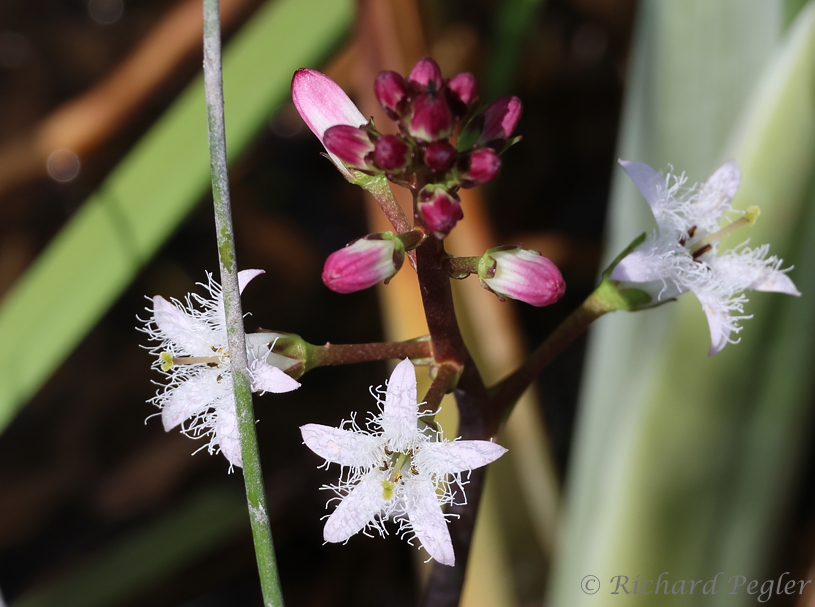
Bog Bean (Menyanthes trifoliata) - Saltersford Valley CP

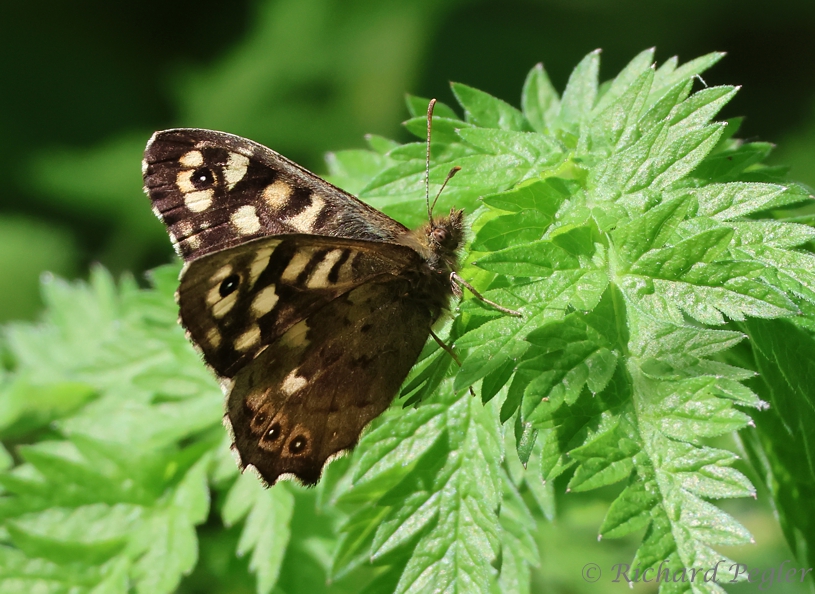
Speckled Wood (Pararge aegeria) - Saltersford Valley CP
Having not found any Odonata, and with some time in hand, on the way home I dropped in for a brief visit to Thortit Lake. I didn't find any Odonata here either, but a Common Tern was fishing on the lake. I'd not yet had any real success with the new camera with birds in flight, so thought I'd have a go here. The situation was quite difficult, with a fairly small bird at some distance, against a confusing back drop as far as autofocus is concerned. I was relatively surprised and pleased with the results.
 
Common Tern (Sterna hirundo) - Thortit La
 
 
This brings me to the end of this blog post. My next blog post will probably be in about a week's time and will probably feature more visits from home. In the meantime, please take good care of yourselves and Nature.
 
Thank you for dropping by - - - Richard